Are Americans Giving the Government an Interest-Free Loan?
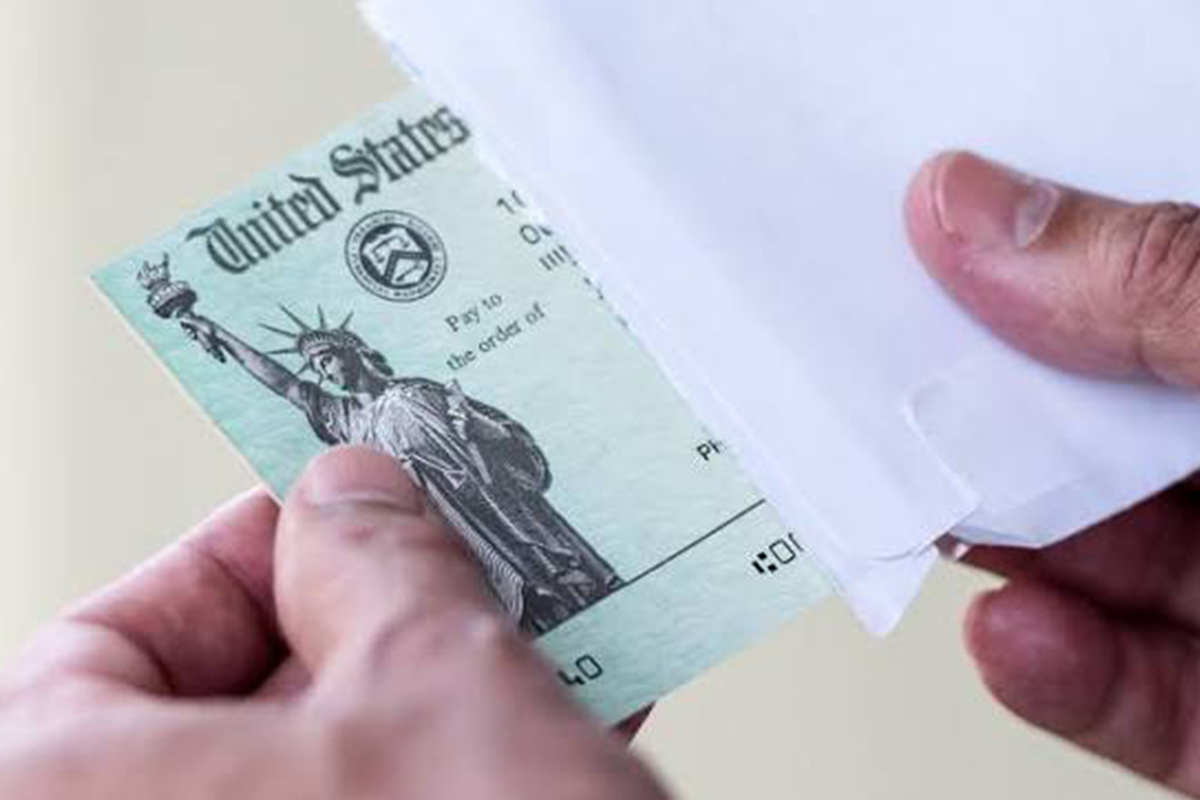
For millions of Americans, a tax refund feels like a financial win. You file your tax return, wait for the IRS to process it, and eventually see a deposit appear in your bank account. Maybe it is $1,000. Maybe it is $3,000. Maybe it is even $5,000 or more.
But there is a question more Americans should be asking: Was that really money the government gave you, or was it money that already belonged to you? In many cases, a tax refund represents money withheld from your paycheck throughout the year that was ultimately not needed to cover your federal income tax liability.
That means you may have given the government access to your money for months without receiving interest on it. This is why some financial experts describe a large tax refund as an interest-free loan to the government.
Why Your Tax Refund May Not Be Free Money
The comparison is controversial, but the basic concept is simple. If your employer withholds more federal income tax from your paychecks than you ultimately owe for the year, the IRS receives the difference. When you file your tax return, the government calculates your actual tax liability. If too much was withheld, you receive a refund.
The money was never really a bonus. It was your money. You simply received it later. That distinction matters because Americans are increasingly dealing with expensive housing, groceries, insurance, utilities, transportation, and credit card debt.
For a household living paycheck to paycheck, even a few hundred dollars can make a difference. So the question becomes: Why voluntarily let the government hold onto your money for months if you could have used it throughout the year?
The Case for a Larger Tax Refund
There is another side to the argument. Tax withholding exists for an important reason. The federal government generally collects income taxes throughout the year instead of waiting until tax season for everyone to pay the entire amount at once.
For many workers, automatic withholding makes budgeting easier. Instead of receiving a paycheck and then having to save money for a large tax bill, part of the expected tax obligation is automatically withheld throughout the year.
There is also a psychological benefit to getting a large refund. Many people simply do not trust themselves to save money. If they receive an extra $300 in every paycheck, they may spend it. If they receive $3,600 as a tax refund, they may be more likely to save it, pay down debt, or make a major purchase.


The Cost of Waiting for Your Money
Suppose you receive a $4,800 tax refund. That sounds fantastic. But mathematically, it means you may have been giving up access to approximately $400 per month.
That $400 could have been used to reduce a credit card balance, build an emergency fund, pay a car payment, cover groceries, or reduce the amount of money you needed to borrow.
Money available today can be more valuable than the same money available many months from now. That is especially true when someone has high-interest debt. A taxpayer may be paying credit card interest while simultaneously allowing excess tax payments to sit with the government without receiving ordinary interest on that overpayment.
A Refund Does Not Always Mean You Overpaid
It is important to understand that not every refund means a taxpayer simply over-withheld. Tax credits can also result in refunds. A taxpayer may qualify for refundable credits that increase the amount they receive beyond the amount of income tax withheld from their paycheck.
That is why looking only at the size of someone's refund does not tell the whole story. A person receiving a $5,000 refund could have significantly over-withheld. Another person could receive a similar refund because of tax credits. Another could have a combination of both.
Understanding where a refund came from is more useful than simply celebrating the dollar amount.