IRS Tax Levy
Dealing with tax debt can be stressful. If left unresolved, the IRS may seize your property, including wages, bank accounts, vehicles, or real estate, to satisfy unpaid taxes. Understanding tax levies is key to protecting your assets.
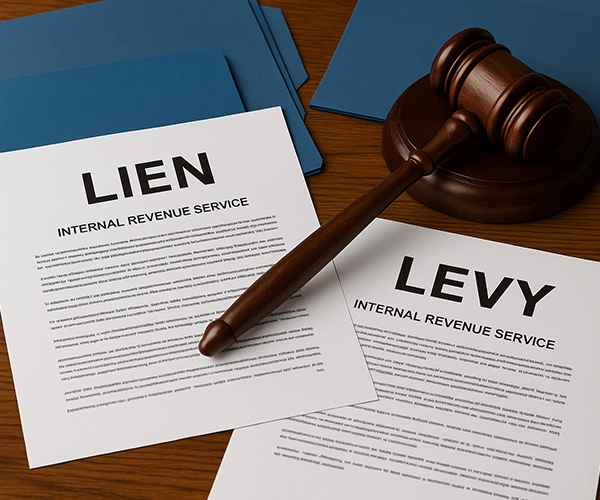
A tax levy is a legal seizure of your property to pay delinquent taxes. The IRS can levy income, bank accounts, retirement funds, rental income, or even the cash value of life insurance policies.

When Can a Tax Levy Be Issued?
- You received a Notice and Demand for Payment from the IRS.
- You neglected or refused to pay your tax bill.
- The IRS sent a Final Notice of Intent to Levy (LT11 or LT1058) with a 30-day deadline.
The IRS cannot levy all property. Essential items like clothing, household furniture, school books, tools for your trade, certain pensions, unemployment benefits, and child support are protected.
How to Remove a Tax Levy
You have the right to appeal an IRS levy or request its release if:
- The debt has been paid in full.
- The collection period ended before the levy.
- The levy causes financial hardship.
- You are enrolled in a Fresh Start Initiative program.
- Releasing the levy does not prevent the IRS from collecting the debt.
While you are not legally required to hire a professional, consulting a tax expert ensures your appeal is accurately presented, increasing your chances of successfully releasing the levy.