What Does a CP90 Notice Mean?
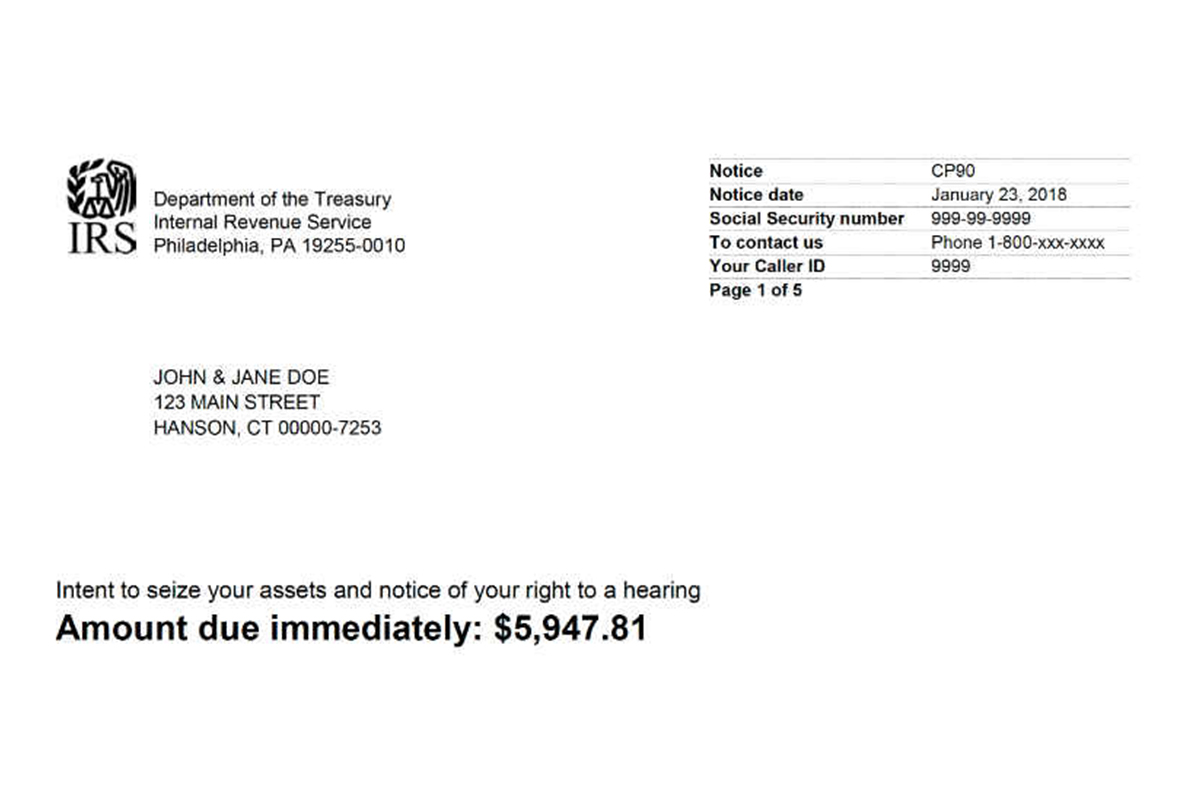
A CP90 is the IRS's final formal warning - officially a "Final Notice of Intent to Levy." It means the IRS intends to seize (levy) your assets because of unpaid tax debt, unless you respond within the 30-day window.
- Shows your total amount owed - taxes, penalties and interest - according to IRS records.
- Includes a 30-day deadline to respond before levy action may begin.
- Notifies you of the IRS's intent to levy - which may include wages, bank accounts, property, business assets, state/federal refunds, and other assets.

Why You Received a CP90
CP90 is issued when prior collection notices went unanswered and tax debt remains unpaid - meaning the IRS is preparing to escalate enforcement.
- You have overdue tax debt or unpaid balance the IRS has on record.
- Prior IRS notices (reminders, earlier balance dues) were ignored.
- IRS has decided to move toward enforced collection (levy) if no resolution is made within the deadline.
How to Respond to CP90
If you receive a CP90, you must act immediately. You have 30 days to respond before IRS can begin asset seizure under levy.
- Review the Notice Carefully: Check the amount due, tax years involved, and whether the debt is correct based on your records.
- If You Agree with the Debt: Pay the full amount owed by the deadline - that will normally stop the levy threat.
- If You Can't Pay in Full: Contact the IRS immediately - ask for a payment plan, installment agreement, or other relief (offer in compromise, hardship, etc.).
- If You Disagree with the IRS: You have the right to appeal - file Form 12153 within 30 days to request a Collection Due Process hearing.
- Keep Good Records: Save a copy of the notice, proof of any payments or documentation of disputes, and written communications with IRS.


When You Should Contact a Tax Professional
A CP90 is a serious, imminent threat of levy or seizure. If you're unsure about the debt, need time to pay, or want to explore relief/settlement options - a tax professional or attorney may help protect you.
- You believe the amount owed, penalties, or interest are incorrect
- You can't pay the full amount - or need time and structure (installment plan, offer in compromise, hardship)
- You want representation with the IdRS or need help navigating levy/collection risk
- You want to avoid or stop enforced collection, liens, or seizure of assets
