Why Does the IRS Send Notices?
Receiving a letter from the IRS can be stressful - but not every notice means trouble. The IRS mails millions of letters each year to update taxpayers, request clarification, or notify them of changes. Understanding the type of notice you received is the first step toward resolving the issue quickly and confidently.
- Alerts about unpaid tax balances
- Corrections made to your tax return
- Requests for missing or additional information
- Identity verification
- Refund adjustments
- Responses to a request you submitted
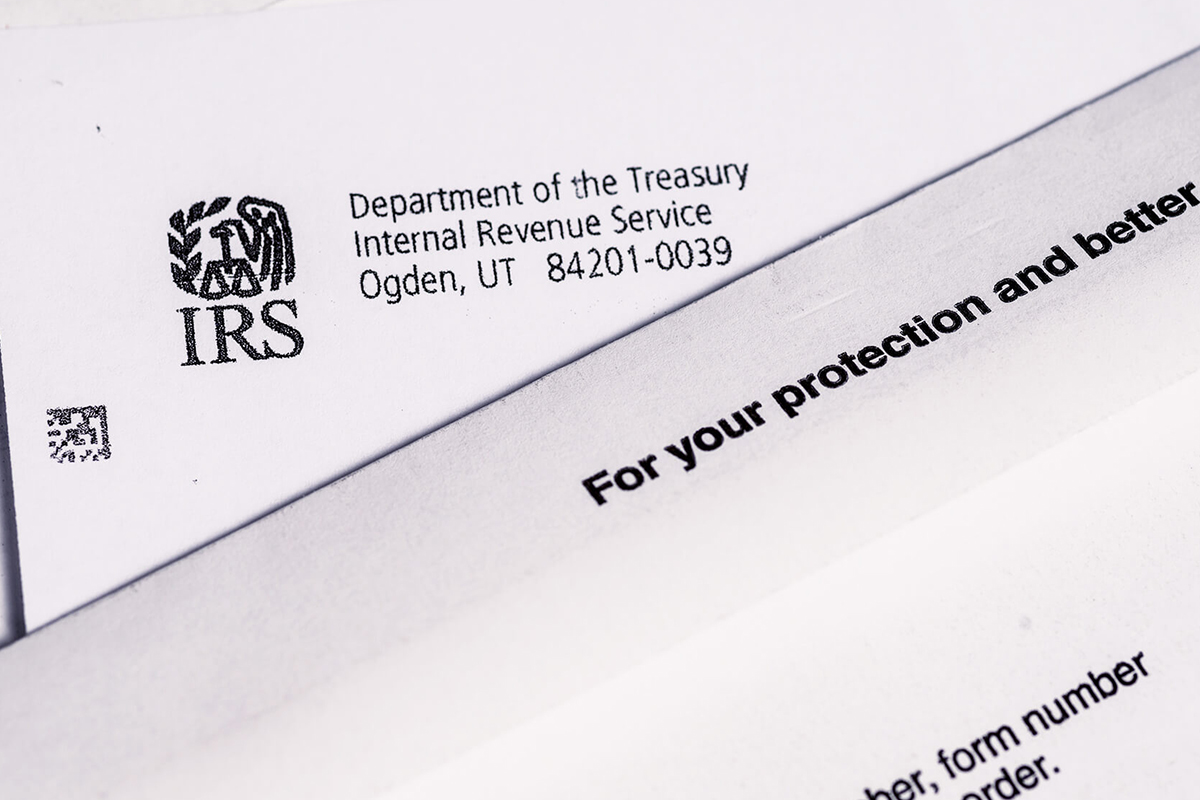
Common IRS Notices
IRS letters each serve a specific purpose. Here are some of the most common notices taxpayers receive:
- CP11 - Tax Return Error (Balance Due)
- CP12 - Tax Return Corrected (Refund Amount Changed)
- CP14 - Unpaid Tax Balance Due
- CP501 - First Reminder of Unpaid Tax Balance
- CP503 - Second Reminder of Unpaid Tax Balance
- CP504 - Final Notice of Unpaid Taxes Before Potential Levies
- CP504B - Final Notice of Unpaid Business Taxes Before Levies
- CP90 - Final Notice of Intent to Levy (Social Benefits Included)
- LT1058 - Final Notice of Intent to Levy From a Revenue Officer
- LT11 - Final Notice of Intent to Levy and Right to a Hearing
- LT38 - Post-Pandemic Notice for Unpaid Taxes Due
How to Respond to an IRS Notice
Time is critical when dealing with the IRS. Whether the notice is a correction, payment request, or identity check, following these steps will keep you protected:
- Read the Entire Notice: Identify the reason, the tax year, and what the IRS requires.
- Check the Deadline: Most notices give 20-30 days to respond. Missing it can trigger penalties or enforced collection.
- Gather Supporting Documents: Tax returns, W-2s, 1099s, or past correspondence.
- Respond Promptly: Send documentation or payment as instructed.
- Keep Copies of Everything: Save all letters, forms, and mailing receipts.

When You Should Contact a Tax Professional
Some notices are simple, while others can lead to liens, levies, and wage garnishments. Contact Resolved Tax immediately if:
- You received multiple IRS notices
- The IRS says you owe more than you expected
- You disagree with the IRS's findings
- You're facing a levy or lien notice
- You missed a response deadline
- You want professionals to communicate with the IRS on your behalf
Protect Yourself From IRS Scams
The IRS will never threaten, demand immediate payment, or ask for personal information through unsecure channels. Watch for signs of fraud:
- Requests for payment over the phone
- Emails or text messages claiming to be from the IRS
- Threats of arrest, suspension, or police involvement
- Demands for gift cards or wire transfers